
A Strong Barrier Helps Stop Chips, Stains, Fading, and Wear Before They Start
Car paint protection helps prevent surface damage by adding a barrier over your vehicle’s finish. That barrier can reduce harm from sun, road salt, bug splatter, bird droppings, light scratches, and small rock chips. In a place like Goose Creek, SC, daily driving can expose cars to dust, heat, rain, and debris. Protection does not make paint indestructible, but it does lower the risk of damage and makes the surface easier to clean and maintain.
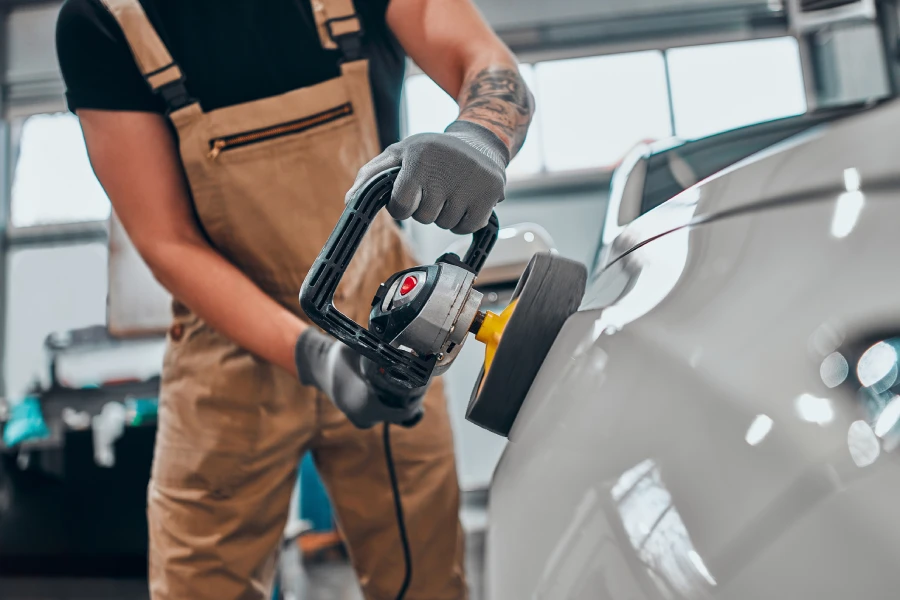
Why Prevention Matters
Your car’s paint does more than make the vehicle look nice. It also helps shield the body from wear. When paint gets damaged, the clear coat can break down. After that, fading, staining, and even rust can start. car paint protection works like a sacrificial layer. It takes the hit first, so the paint below has a better chance of staying in good shape. This can be helpful for new cars, older vehicles with fresh paint correction, and daily drivers that spend a lot of time outdoors.
This type of care can include films, sealants, ceramic coatings, and other surface treatments. Even if the service category keyword is not listed here, the goal stays the same: keep the outer finish safer from common damage.
Early Warning Signs
Paint damage often starts small. Many drivers do not notice it until the finish already looks dull or marked up. Spotting early signs can help you act before the problem grows.
- Water stops beading and sits flat on the paint
- The surface looks dull in sunlight
- Bug marks or bird droppings leave stains behind
- Fine swirl marks show after washing
- Small chips appear on the hood or bumper
- The paint feels rough when you touch it
If you notice these signs, your current layer of paint protection may be wearing down, or the vehicle may not have enough surface defense in place.

Seasonal or Routine Checklist
Good paint care works best when it is part of a simple routine. Different seasons and driving habits expose your car to different risks. A basic checklist can help keep the finish protected all year.
- Wash the car often to remove dirt, road film, and bug residue.
- Dry it with clean microfiber towels to reduce swirl marks.
- Check for bird droppings, sap, and stains after parking outside.
- Inspect the hood, mirrors, and front bumper for chips.
- Use safe wash products made for coated or protected finishes.
- Schedule routine checks if the protection layer is older.
In warmer months, UV rays can fade paint over time. In wet or dirty conditions, grime can sit on the surface and slowly wear it down. During road trip season, the front of the vehicle often takes the most abuse from sand and small stones. A regular routine helps limit that damage.
Best Practices for Long-Term Results
The best way to get long-term value from car paint protection is to treat the surface gently. Harsh washing and neglect can wear down even a strong protective layer. Smart habits make a big difference.
Hand washing is usually safer than low-quality automatic washes with stiff brushes. Those brushes can leave fine marks in the clear coat or in the protective layer itself. Parking in covered areas also helps. Shade reduces sun exposure, and garage storage can lower contact with dust, sap, and weather.
It also helps to clean messes quickly. Bird droppings and bug remains are more acidic than many people think. If they sit too long, they can etch the surface. A protected finish gives you more time to clean them off, but it should not be treated as permanent armor. Fast cleanup is still the safer move.
For drivers who want stronger defense, paint protection film can help in high-impact spots like the hood edge, fenders, and front bumper. Ceramic-based surface coatings can help with washing, gloss, and chemical resistance. Each option has a different job, but both aim to reduce direct harm to the paint.
What Not to Do
Some common habits can shorten the life of a protected finish or even cause the kind of damage you are trying to avoid. Skipping these mistakes can help your paint stay in better shape longer.
- Do not scrub dry dirt off the surface
- Do not use rough towels or dirty sponges
- Do not let stains bake on in the sun
- Do not use strong cleaners not made for vehicle paint
- Do not assume every wash method is safe
- Do not wait too long to fix small chips
Many people think a protected car needs no upkeep. That is not true. Protection lowers risk, but routine care still matters. Dirt, friction, and weather keep working on the surface every day.
When to Schedule Professional Help
Some surface issues are easy to spot, but not always easy to fix at home. If your paint already has swirl marks, fading, etched spots, or chip damage, a professional can inspect the finish and recommend the right next step. In some cases, the paint may need cleaning, decontamination, or correction before any new layer of protection is added.
Professional help also makes sense if you just bought a new car, had body work done, or want to protect a vehicle you plan to keep for years. A skilled installer can match the right product to your driving habits, storage conditions, and the parts of the vehicle that take the most abuse. That makes the protection more useful and more likely to last.
Get Help With the Right Protection Plan
At Clean Xtreme Mobile Detail Service, we help drivers protect their vehicles from daily wear with practical solutions that fit real driving conditions. If your car faces sun, road debris, or frequent outdoor parking in Goose Creek, SC, contact us at (843) 224-1438. We can inspect the finish, explain the options, and help you choose a smart plan for lasting paint care.